
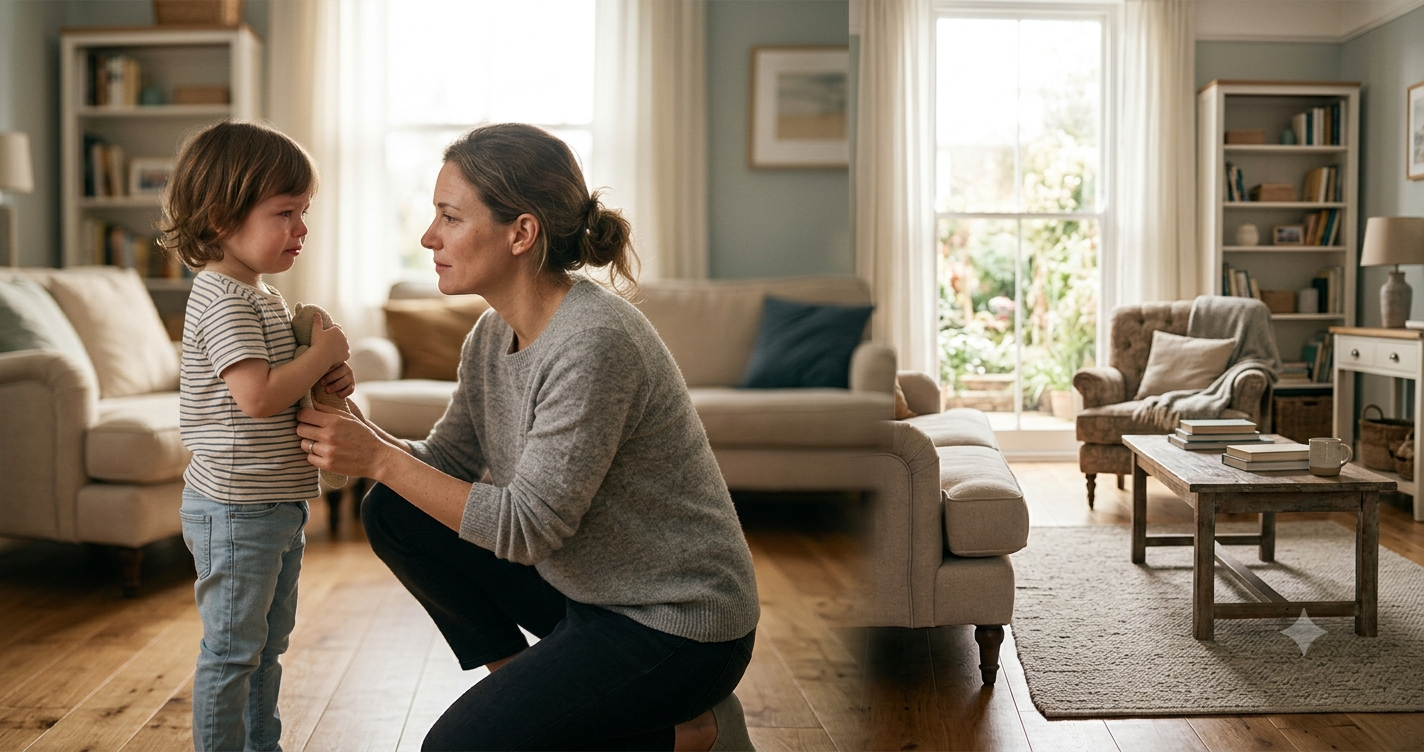
Why, How to Discipline Children Without Shouting or Hitting ?
Parenting can be exhausting. There are days when your child refuses to listen, throws a tantrum, breaks something, or keeps doing the same thing after you’ve explained it several times. In those moments, it’s easy to lose patience and raise your voice.
But discipline doesn’t have to mean shouting, threats, or physical punishment.
The goal of discipline isn’t to make a child afraid of their parents. It’s to help them understand boundaries, learn from their mistakes, and gradually develop self-control.
Here are some practical ways to discipline your child without shouting or hitting.
Stay Calm Before You Respond
This sounds simple, but it’s often the hardest part.
When your child is misbehaving, take a few seconds before reacting. If you’re angry, your first response may be much harsher than you intended.
Instead of immediately shouting, take a breath and ask yourself:
“What does my child need to learn from this situation?”
Your calmness can also help your child calm down.
Set Clear and Simple Rules
Children need to know what is expected of them.
Instead of saying:
“Don’t behave badly!”
Try something specific:
“We don’t hit people. If you’re angry, tell me what happened.”
Simple rules are easier for children to understand and remember.
You can also involve older children in creating a few household rules. When children understand the reason behind a rule, they’re more likely to follow it.
Explain the Consequence
Discipline works better when children understand that their actions have consequences.
For example, if your child repeatedly throws a toy after being told to stop, you could calmly say:
“If you keep throwing it, we’ll put the toy away for today.”
Then follow through without yelling.
The consequence should be reasonable and connected to the behavior, rather than something designed to frighten or embarrass the child.
Give Choices When Possible
Children often resist because they feel like everything is being decided for them.
Giving them two acceptable choices can reduce unnecessary arguments.
For example:
“Do you want to put your toys away before dinner or after dinner?”
You’re still setting the boundary, but you’re giving your child some control within it.
Don’t Turn Every Mistake Into a Lecture
Children make mistakes. Sometimes they know exactly what they did wrong, and a five-minute lecture won’t teach them anything new.
Keep your correction short.
“Drawing on the wall isn’t okay. Let’s clean it together. Next time, use the paper.”
Then move on.
The lesson is more important than making the child feel guilty.
Use Natural and Logical Consequences
Whenever possible, allow children to experience reasonable consequences of their choices.
If they leave their favorite toy outside and it gets dirty, you can help them clean it.
If they refuse to put away their toys, those toys might be unavailable for a while.
This teaches responsibility without humiliation or fear.
Praise Good Behavior
Discipline isn’t only about correcting bad behavior.
When your child behaves well, notice it.
You might say:
“I really liked how you shared your toys with your sister.”
Or:
“Thank you for putting your shoes away without me asking.”
Children naturally repeat behaviors that receive positive attention.
Teach Them How to Handle Big Emotions
A child who is screaming isn’t necessarily trying to make your life difficult. Sometimes they simply don’t know how to handle frustration, disappointment, or anger.
Instead of only saying:
“Stop crying!”
Try:
“I know you’re angry because you wanted to keep playing. It’s okay to be angry, but it’s not okay to hit.”
You’re teaching an important lesson:
All feelings are acceptable, but not every behavior is.
Give Yourself a Break When You’re Overwhelmed
Parents aren’t robots.If you’re extremely frustrated, it’s okay to step away for a moment when your child is safe.Say:”I’m feeling very angry right now. I’m going to take a few minutes and then we’ll talk.”Taking a pause is much better than saying something you’ll regret later.And if you do lose your temper, don’t assume you’ve ruined everything. Apologize.”I shouldn’t have shouted at you. I was angry, but shouting wasn’t the right way to handle it.”That teaches your child something valuable too: adults make mistakes and take responsibility for them.
Be Consistent
One of the biggest challenges in parenting is consistency.
If a rule changes every day, children don’t know what to expect. Try to keep important boundaries predictable.
For example, if bedtime is 9 PM, try to maintain that routine rather than allowing it to change depending on how tired you are.
Consistency doesn’t mean being harsh. It means being calm, predictable, and firm.
Conclusion
Discipline without shouting or hitting doesn’t mean allowing children to do whatever they want.You can be loving and firm at the same time.Set clear boundaries. Explain consequences. Give choices when appropriate. Praise good behavior. Help children understand their emotions. And most importantly, model the behavior you want them to learn.Children don’t just listen to what parents say—they watch what parents do.
The aim of discipline isn’t to control a child through fear. It’s to teach them skills they’ll eventually be able to use on their own.
